-----------------------------------------------------------------------
-----------------------------------------------------------------------
Ecosystems and Environments
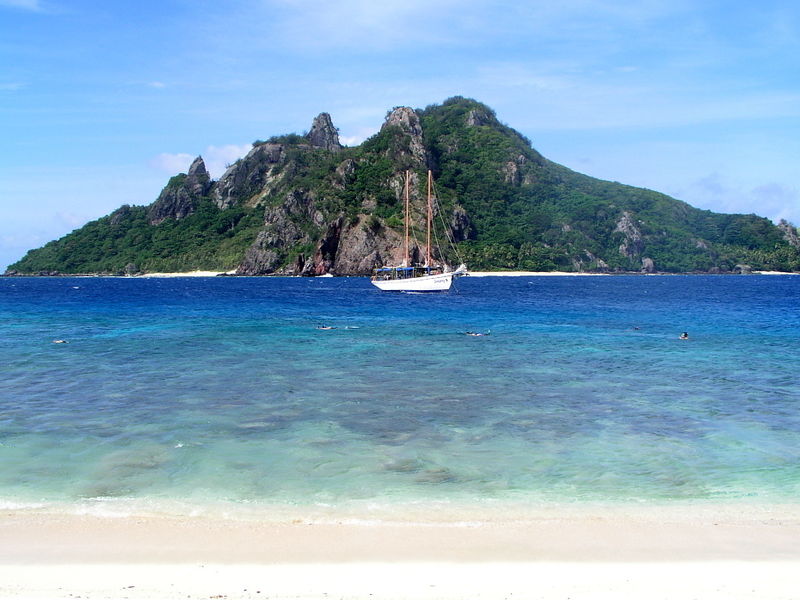
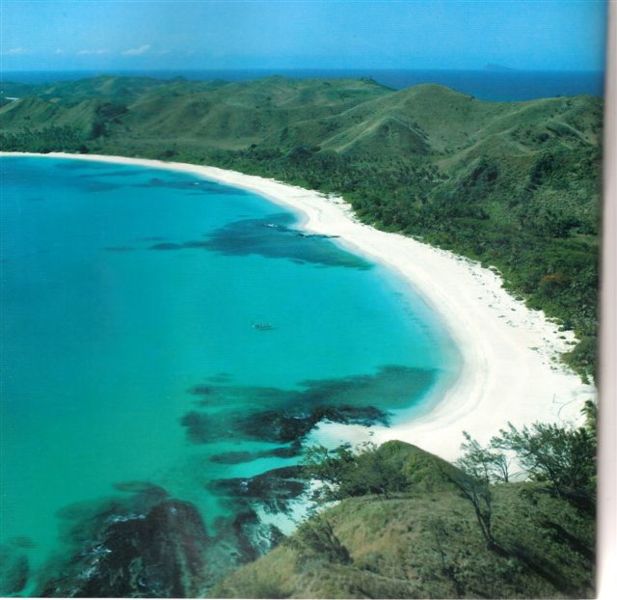
Fiji is made of many different ecosystems. There are rainforests, swamps, grasslands, and inland waters. The oceans of Fiji have coral reefs and lagoons.
Fiji is also a great place for fish, animals, birds and plants to live!
Unfortanely, some of the animals that live in Fiji do not belong there...
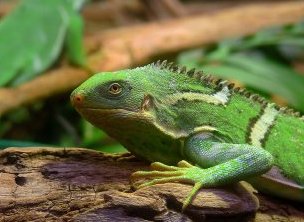
To the right is the Crested Iguana!
It is an extremely rare species of reptile that lives on the Fijian island of Vanua Levu.
Scientists believe that the Crested Iguana floated on ocean vegetation across the Pacific Ocean from South America and landed at Fiji!
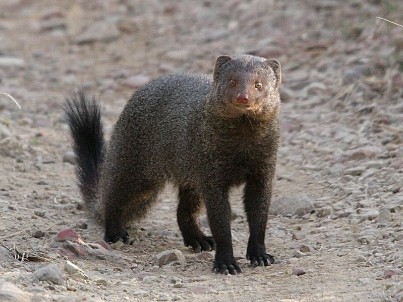
Another animal that has adapted to the Fijian environment is the Mongoose.
People brought the Mongoose to Fiji to patrol the sugar fields and stop the rats from eating all of the sugar.
The Mongoose became too powerful and started to attack all of the innocent snakes and birds that make their homes in the ground.
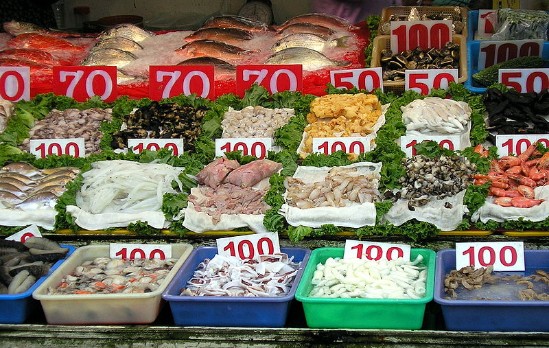
Some people have fished too much.
Now some species of animals and fish are endangered!
-------------------------------------------------------------------------
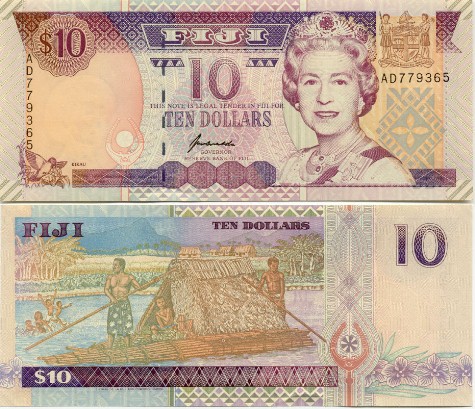
Fijian Money Facts
Fijian Dollars are very colorful.
Bula! - Hello! Moce - Goodbye Kere Kere - Please Vinaka - Thank you Tulou - Excuse Me Io - Yes Sega - No Mone - Children Tapa - Clothes Wai - River Waitui - Sea Savu - Waterfall
Numbers
0 - Saiva
1 - Dua
2 - Rua
3 - Tolu
4 - Va
5 - Lima
6 - Ono
7 - Vitu
8 - Walu
9 - Ciwa
10 - Tini
-----------------------------------------------------------------------
The People of Fiji
~There are about 800,000 people living in Fiji.
~Most people in Fiji live on the island of Viti Levu, but some live on remote islands in villages.
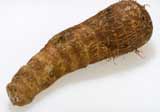
~People in Fiji love to eat fish, sweet potatoes, rice, coconuts, cassava (tapioca) and something called Taro.
Family is the most important element to Fijian life.
~Villages, tribes and clans are led by a chief, known as a Turuga.
~Everyone in the tribe or village is very important and everyone has an important job.
~Some people are arts and crafts workers, some are in charge of ceremonies, and some make sure everyone behaves and is respectful.
------------------------------------------------------------------------------------------------------
HISTORY
- People started living in Fiji in ancient times.
- In 1643, a Dutch explorer by the name of Abel Tasman found Fiji during his travels.
- In the 19th century, shipwrecked sailors landed on Fiji and started teaching the natives.
- In 1874, the British decided to make Fiji one of its territories. This was bad news for the Fijians because many of the islanders became sick from illnesses brought over from Europe.
- In 1879, many Indians from the country of India started arriving in Fiji to be servants or to work in the sugar fields.
- In 1970, Fiji decided to become an independent country and no longer was ruled by the British.
------------------------------------------------------------------------------------------------------
Fun Facts
- The most popular sports in Fiji are Rugby, Futbal (soccer), Cricket, and Golf.
- On New Year's Eve, many Fijian village women play a game called Ceicaqe moli (kick the orange), in which the winning team is required to present new clothing to the losing team.
- Fire walking is very popular in Fiji, but is now only used to entertain tourists.
- The name Fiji comes from a mispronunciation. The Fijians called their land Viti, but the Tongans nearby called Fiji - Fisi. The foreigners couldn't pronounce Fisi and Viti correctly, so they started calling the islands Fiji.
- The international dateline is an imaginary line that separates yesterday from today. This imaginary line happens to run right through the Fijian Island of Taveuni!
